The Kim Lab investigates how vascular dysfunction drives disease progression in cancer and neurodegenerative disorders. In cancer, we study how pathological angiogenesis, vascular remodeling, and barrier disruption promote metastasis, immune suppression, and resistance to therapy. In Alzheimer’s disease, we examine how blood–brain barrier dysfunction contributes to neuroinflammation and disease progression.
By integrating in vivo models with translational approaches, we aim to uncover the vascular mechanisms underlying these diseases and identify new therapeutic targets.
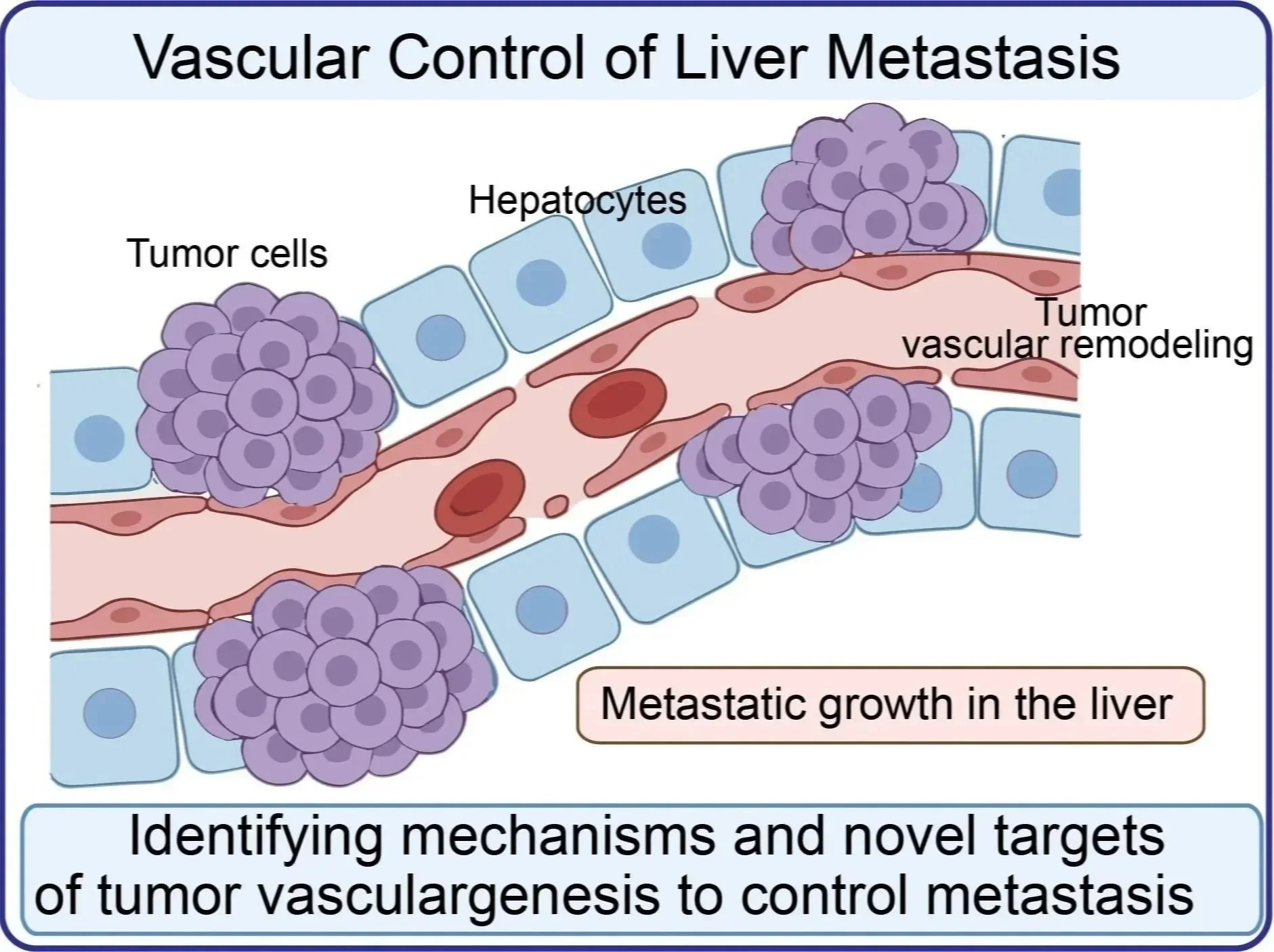
“Targeting tumor vascularization to control liver metastasis.”
We investigate how vascular remodeling shapes the liver metastatic niche and drives immune suppression and therapeutic resistance in pancreatic neuroendocrine tumors. Using mouse models and human specimens, we aim to develop more effective strategies to delay metastatic progression by targeting the tumor vasculature.
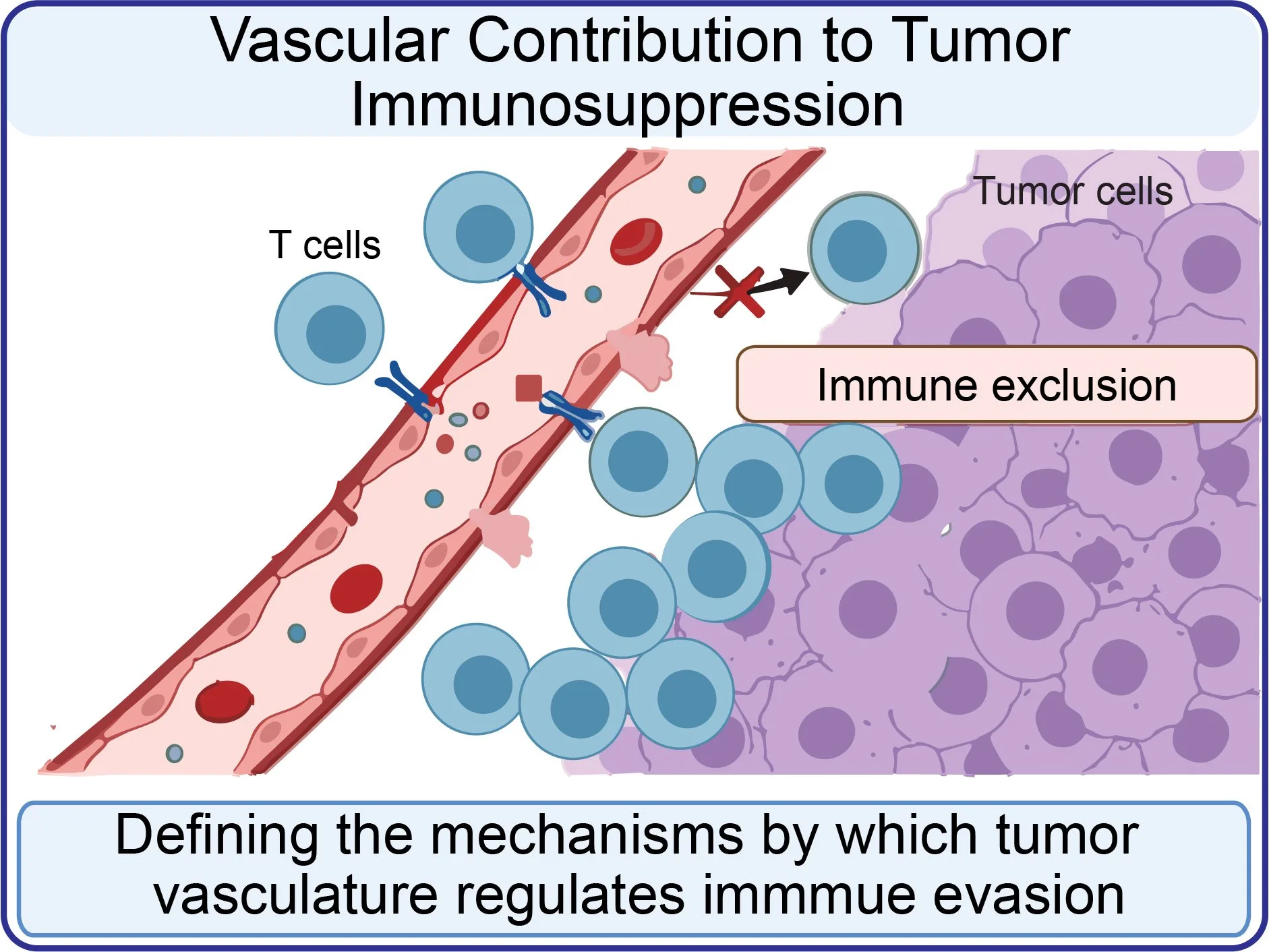
“Vascular control of immune exclusion and immunotherapy resistance.”
We study how abnormal vasculature drives T-cell exclusion and immune evasion in melanoma, thereby limiting anti-tumor immunity and responses to immunotherapy. Focusing on the ANGPT2-TIE2 pathway, we aim to identify novel vascular targets that enhance immune activation.
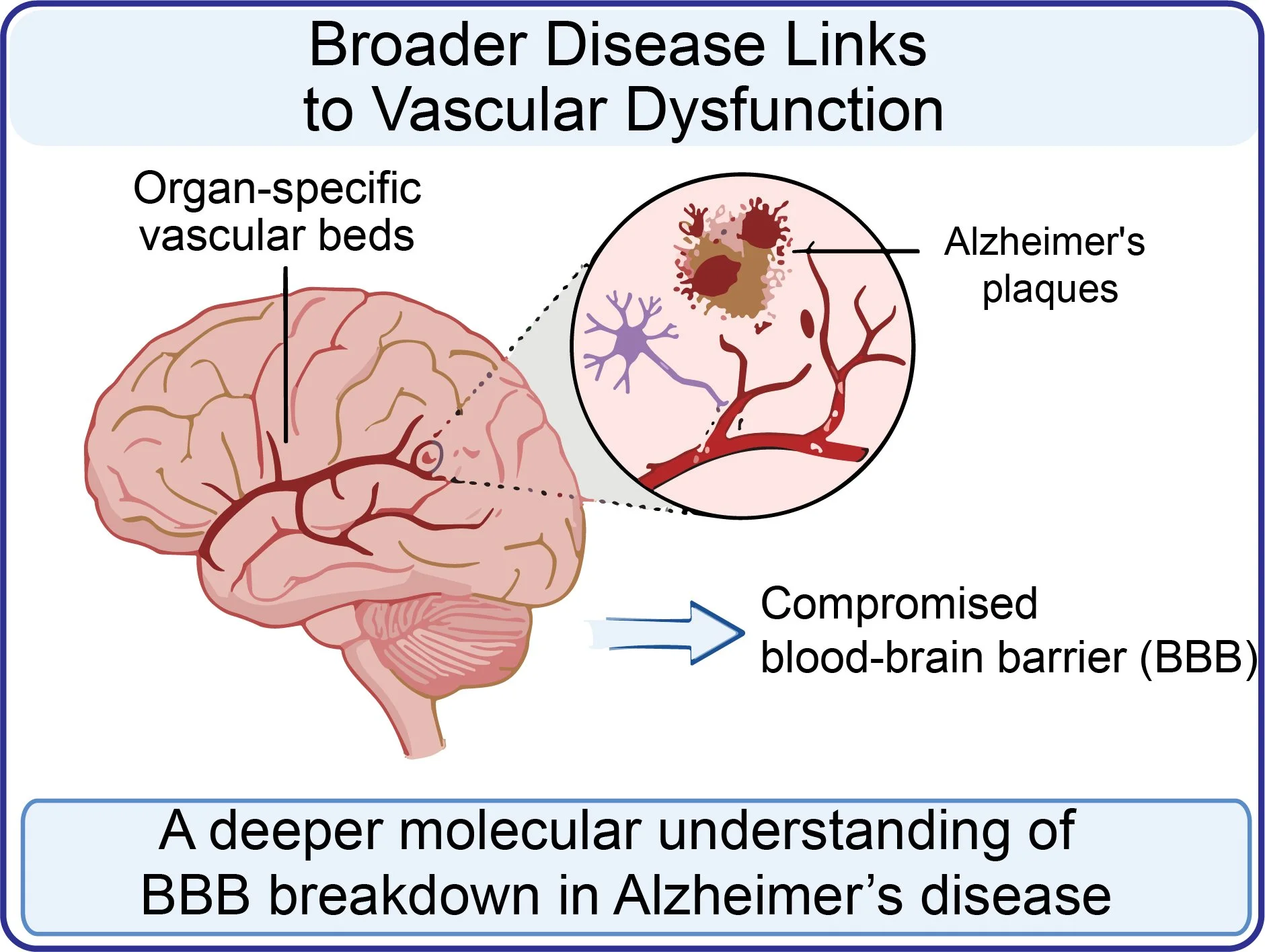
“Blood-brain barrier dysfunction in Alzheimer’s disease.”